Friendship as Leadership
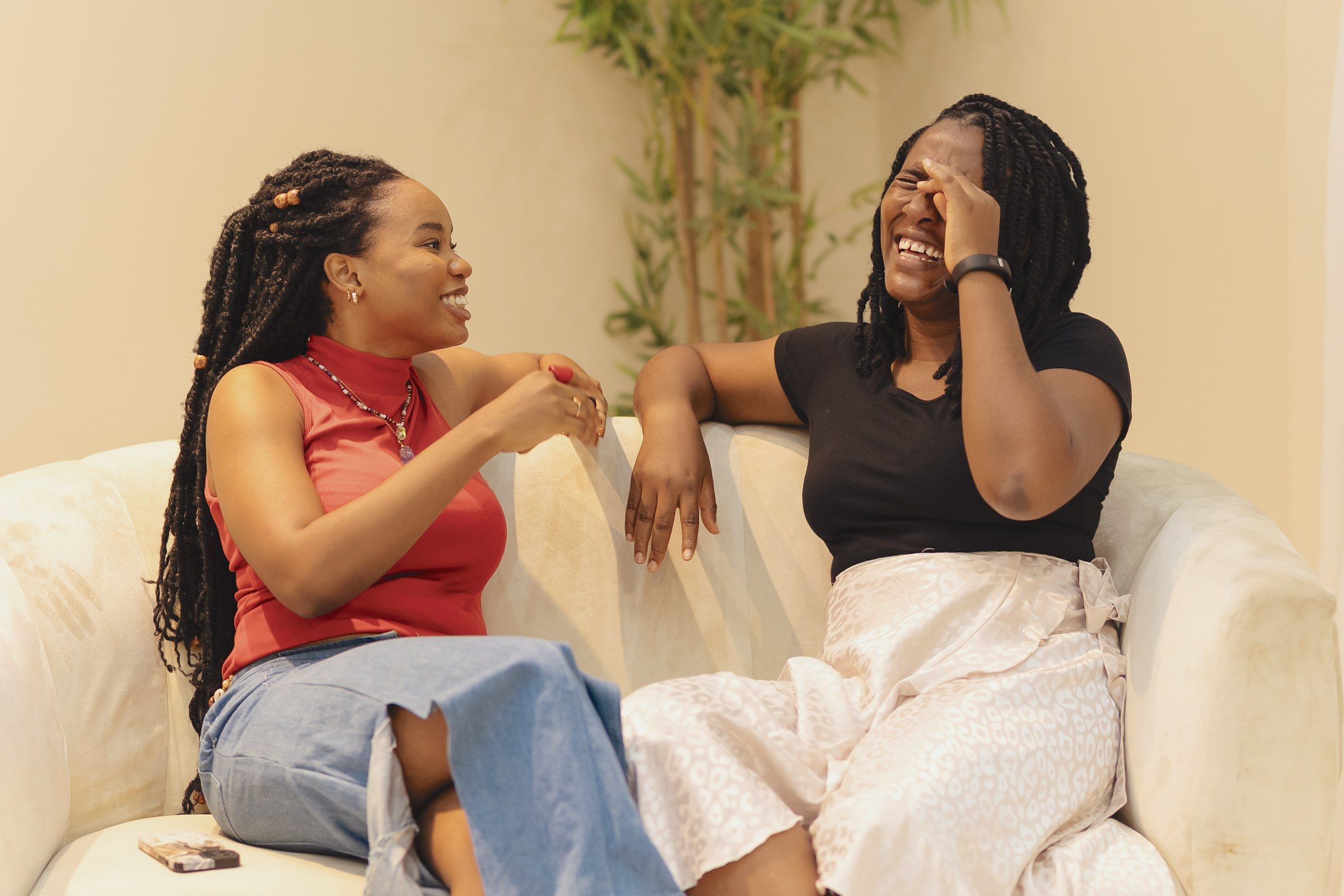
“People do their best work for leaders they trust, not leaders they fear.”
There is a version of leadership that looks impressive from the outside. Clear hierarchy. Tight deadlines. A leader who is always right and slightly out of reach.
I’ve seen it in a lot of rooms. In Lagos, it’s almost the default — the person at the top speaks, everyone else nods, and the real conversation happens later on WhatsApp.
It gets work done. It rarely gets the best work done.
The Distance Myth
Somewhere along the line, many of us learned that authority needs distance. That if you get too close to your team, they’ll stop respecting you.
I believed a version of that for a while. Keep it professional. Keep it clean. Don’t let anyone see you unsure.
What I found instead was a team that told me what I wanted to hear. Problems surfaced late, when they were expensive. Ideas arrived pre-filtered, already shrunk to fit what people thought I’d approve. Distance didn’t protect my authority. It just made me the last to know.
What Friendship Actually Means Here
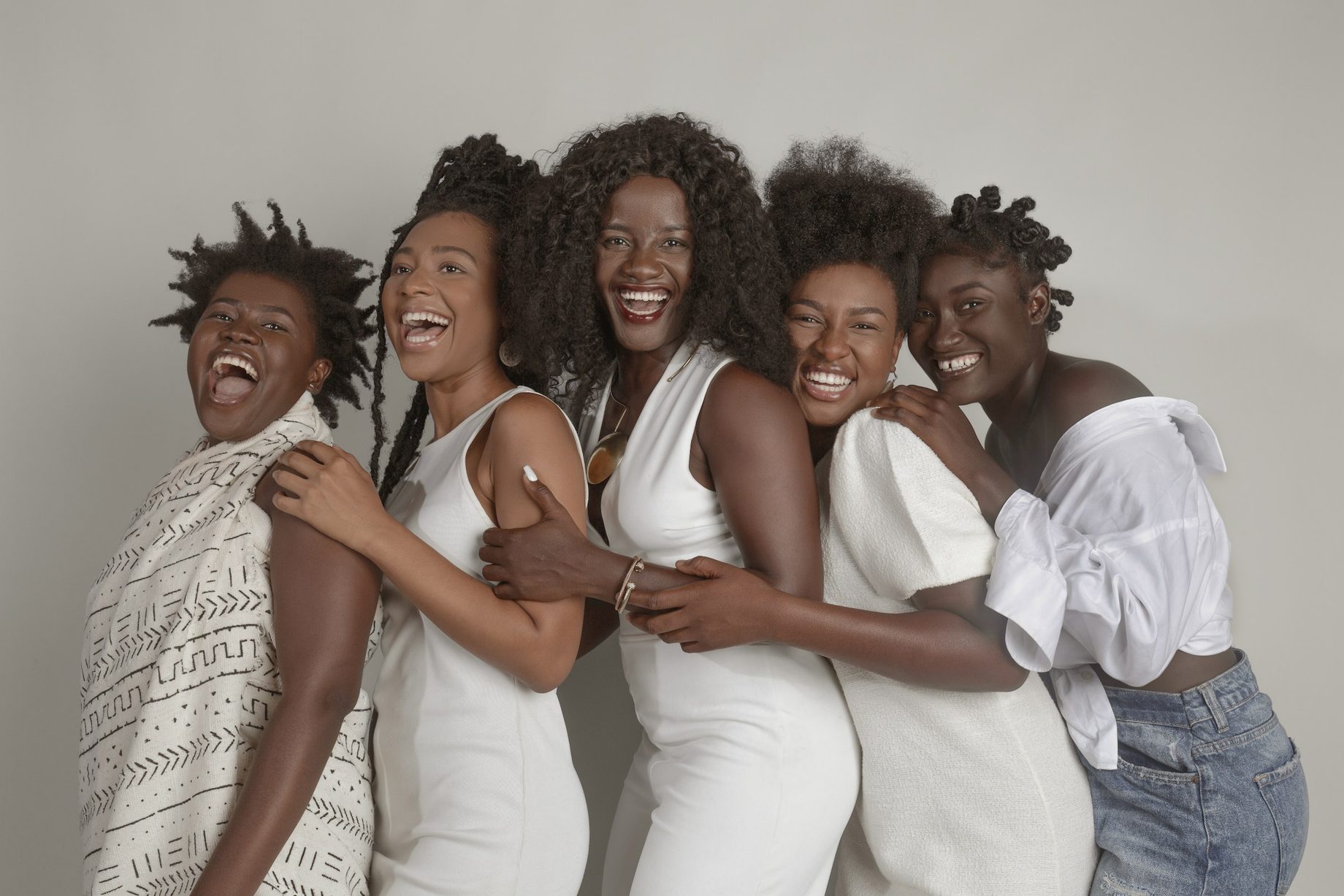
Friendship in a team is not about being liked. It’s not lowering the bar, skipping hard feedback or pretending everything is fine.
It’s the opposite. A friend is the person who tells you the truth because they care what happens to you. That’s the posture I try to bring to every team: I’m on this journey with you, and I want you to win — so I won’t lie to you about the work.
When people feel that, standards go up, not down. They can hear “this isn’t there yet” without hearing “you’re not good enough.” That difference is everything.
“A friend is the person who tells you the truth because they care what happens to you. That’s the whole job.”
Trust Is Built in Small Moments
Nobody builds trust in an offsite. It’s built in ordinary moments.
When a designer is struggling with a brief and you sit with them instead of taking it off their desk. When you give credit by name in the meeting with the founder. When you admit you got a call wrong — out loud, in front of the people who had to execute it.
I try hard never to make anyone feel diminished when they’re struggling. Not because it’s nice, but because a team that is afraid to struggle in front of you will start hiding the struggle. And hidden struggle shows up in the work.
Why It Matters for Design
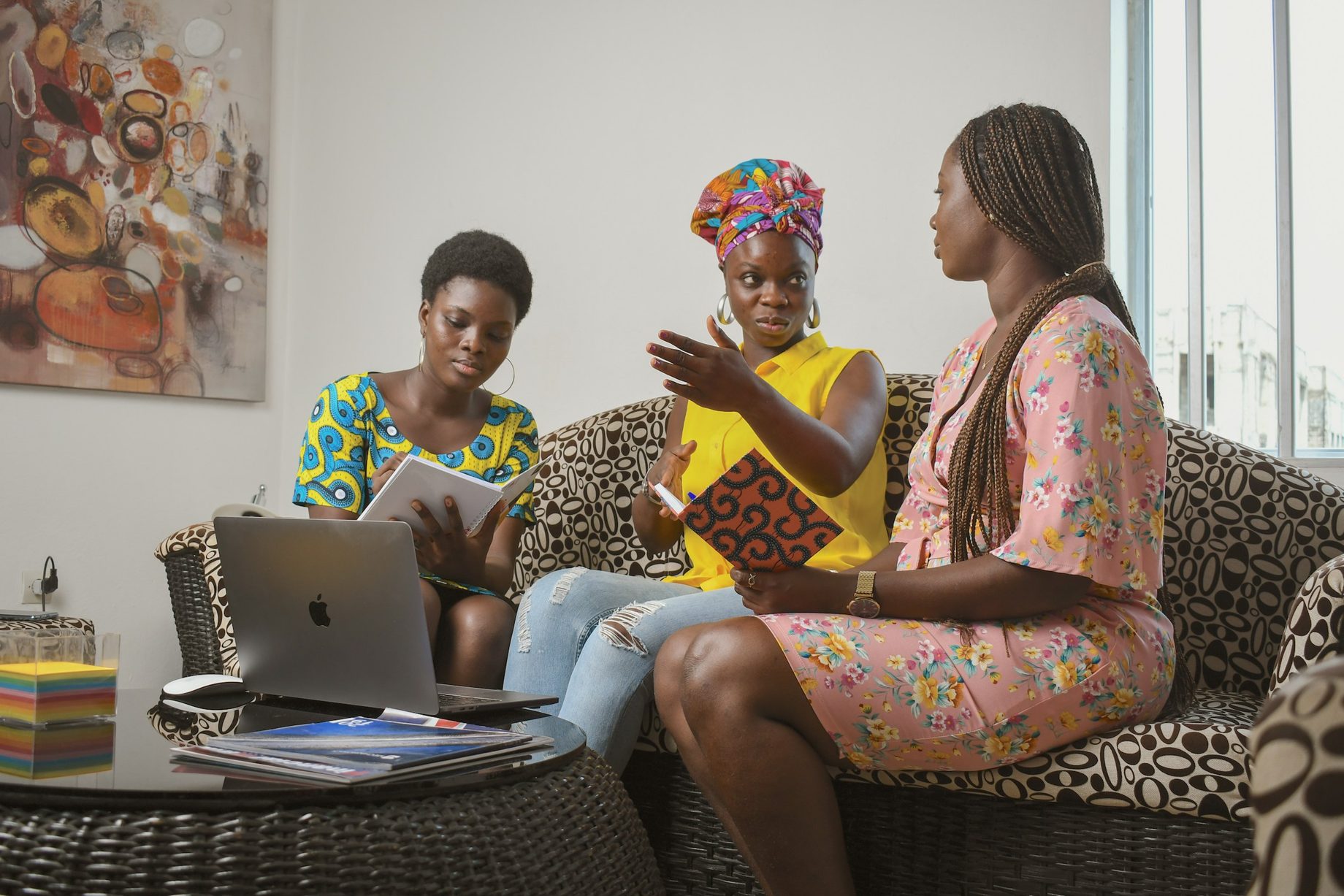
Design is emotional work. You’re asking people to put half-formed ideas on a screen and let others pick them apart. That takes safety.
The best ideas I’ve seen came from the quietest people in the room, on the day they finally felt safe enough to say something strange. A culture of fear filters those ideas out long before they reach you.
I’ve come to believe you have to be a better person to be a better designer. The same is true for leaders. The care you have for your team becomes the care they put into the work.
The Question I Keep Asking
Leadership titles come with authority. Trust has to be earned, slowly, by showing up the same way on good days and bad ones.
So here’s the question worth sitting with: if your team had a problem with the work today, would you be the first person they told — or the last?